
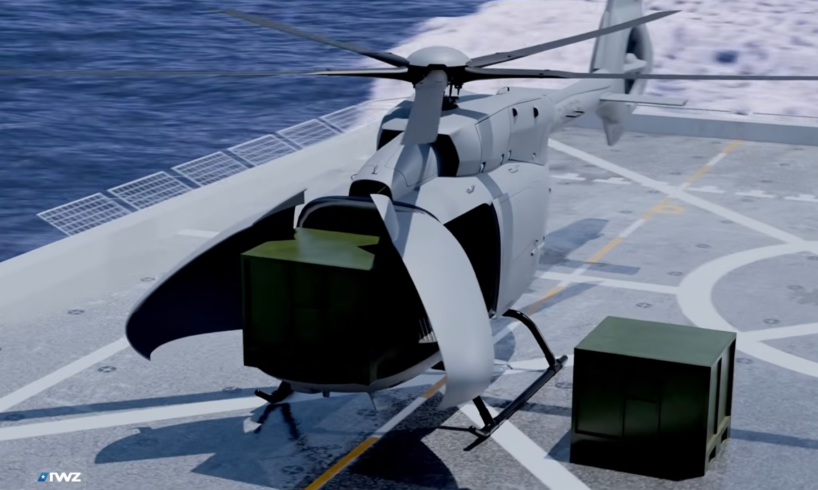
Airbus U.S. Space and Defense is making significant strides in the development of its Lakota program, with a particular emphasis on advancing the Lakota Connector, an uncrewed, autonomous variant of the versatile UH-72B Lakota helicopter. This initiative aims to equip the U.S. military, specifically the Marine Corps, with advanced logistics support capabilities, designed to operate effectively even in contested environments while minimizing risks to personnel. The progress on this uncrewed platform is part of a broader effort to ensure the continued relevance and modernization of the Lakota fleet.
The Lakota Connector program is a collaborative effort that has brought together key industry partners, including Shield AI, L3Harris Technologies, and Parry Labs. This team is currently in a prototyping phase, working on key technological iterations to realize the full potential of this autonomous cargo helicopter. The requirement for uncrewed logistics in high-threat theaters is a driving force behind this development, with former U.S. Marine Corps pilot Carl Forsling highlighting its importance in enhancing operational effectiveness and safety.
In parallel with the uncrewed development, Airbus is also actively engaged with the U.S. Army regarding the future of its existing fleet of 215 UH-72A Lakota trainers. Airbus is presenting several options for these aircraft, including conversions that would enable autonomous operations for logistics and potential strike missions. This strategic discussion underscores the Army's consideration of advanced capabilities for its rotary-wing assets, as it evaluates ways to modernize and adapt its fleet to evolving defense needs.
The core of the U.S. Army's Lakota program involves the UH-72B version, which is an evolution of the trusted commercial off-the-shelf (COTS) aircraft that has served as the Army's Light Utility Helicopter since 2006. The UH-72B is based on the Airbus H145 (BK117-D3) and features several enhancements, including a five-bladed main rotor, a Fenestron shrouded tail rotor, twin Safran Arriel 2E engines, and the Airbus-designed Helionix avionics suite. These upgrades contribute to increased safety and improved flight performance for the platform.
This ongoing modernization and development effort ensures that the Lakota remains a critical component of Army aviation for the foreseeable future. The platform's proven reliability, exemplified by over 1.7 million flight hours across its fleet and more than 480 on-time deliveries, underpins its continued service. The H135, the civilian counterpart to the Lakota, has also seen recent advancements, including an increase in maximum takeoff weight and the certification of a new single-pilot instrument flight rules Helionix cockpit, demonstrating the continuous evolution of this helicopter family.