
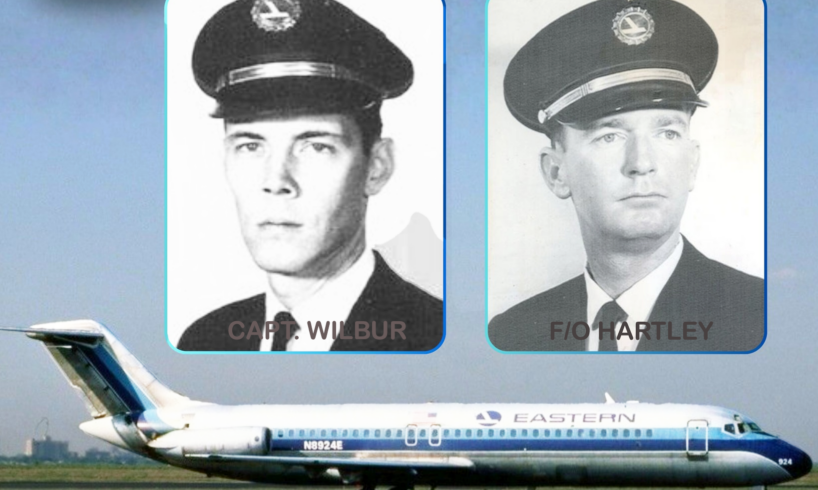
On the evening of March 17, 1970, what began as a routine Eastern Airlines shuttle flight from Newark, New Jersey, to Boston, Massachusetts, descended into a harrowing ordeal that would forever alter aviation security. Flight 1320, carrying 68 passengers and five crew members, became the site of the first-ever fatality in the United States resulting from an aircraft hijacking. The incident, perpetrated by a passenger named John J. Divivo, exposed the frightening vulnerability of commercial air travel to violent acts.
Divivo, armed with a .38 caliber revolver, boarded the McDonnell Douglas DC-9 and, approximately twenty minutes after takeoff, made his way to the cockpit. He falsely claimed to possess explosives and demanded to be taken to the pilots. Once inside, he ordered Captain Robert Wilbur Jr. to divert the flight to Boston’s Logan International Airport. Divivo’s behavior escalated, becoming increasingly threatening as he issued further demands to the crew.
In a moment of desperate bravery, First Officer James Hartley attempted to disarm Divivo. A violent struggle ensued in the confined space of the cockpit, during which Divivo fired his weapon, striking Hartley in the chest. Despite being mortally wounded, Hartley managed to wrestle the gun away from Divivo and fire three shots at the hijacker before succumbing to his injuries. Divivo also managed to shoot Captain Wilbur in both arms during the chaos.
Even with his copilot critically injured and bleeding profusely, Captain Wilbur, demonstrating remarkable skill and composure, maintained control of the aircraft. He communicated with air traffic control, reporting the shooting and requesting an ambulance. Despite his own injuries, Wilbur successfully landed Flight 1320 safely at Logan International Airport, where authorities immediately apprehended Divivo.
The hijacking of Flight 1320 marked a grim turning point. Prior to this event, hijackings were often non-violent and politically motivated, sometimes resulting in a flight to Cuba. However, Divivo’s actions, which appeared to be a suicide mission, demonstrated the potential for deadly consequences. This tragedy spurred significant changes in aviation security, leading to the implementation of stricter protocols and a heightened awareness of the threats passengers and crew could face in the skies. John J. Divivo was later found to have a history of mental illness and ultimately died by suicide in jail while awaiting trial.
Source: Aviation Circle