
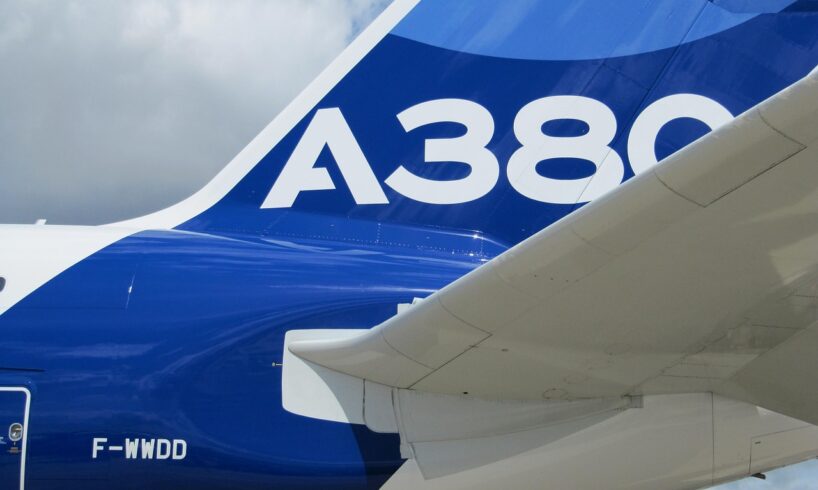
European aviation authorities have mandated immediate and urgent inspections for sixteen Airbus A380 aircraft following the discovery of fatigue cracks in critical wing components. The European Union Aviation Safety Agency (EASA) issued an emergency airworthiness directive on June 22, requiring operators to scrutinize the wing mid-spar structures of the affected superjumbo jets. These cracks, found during routine maintenance checks, have raised concerns that they could compromise the structural integrity of the wings if left unaddressed.
The directive specifically impacts 15 aircraft operated by Emirates and one by Qantas. Five of the Emirates aircraft must undergo these inspections before they are permitted to fly again. The remaining 11 aircraft have a grace period, needing to be inspected within their next 25 flight cycles, with each cycle comprising a single takeoff, flight, and landing. Airbus has provided operators with detailed inspection procedures and requires the results to be reported within seven days, regardless of whether discrepancies are found.
The identified cracks were located in the wing mid-spar, a crucial structural element within the wing box that bears significant aerodynamic loads during flight. This latest directive stems from an analysis of inspection data gathered under previous airworthiness requirements. While EASA has not grounded the entire A380 fleet, emphasizing that the current data does not indicate a widespread safety risk, the agency's decision to issue an emergency directive underscores the seriousness of the findings.
This is not the first time the A380 model has encountered wing-related structural issues. In 2012, EASA similarly ordered fleet-wide inspections due to cracks found in brackets connecting the wing skin to internal ribs. That incident led to a costly repair program and subsequent design modifications by Airbus for later production models. The current situation, though concerning, appears to affect a small segment of the in-service fleet.
Airbus, which ceased production of the A380 in 2021, stated that it is working closely with EASA and affected airlines to assess the findings. The manufacturer will determine with regulators whether any repairs are necessary. The situation highlights the ongoing maintenance and support obligations for large, legacy aircraft programs. Investors are monitoring the inspection results for any indications of broader fleet-wide concerns or potential financial impacts related to necessary repairs or operational disruptions for major carriers like Emirates.