

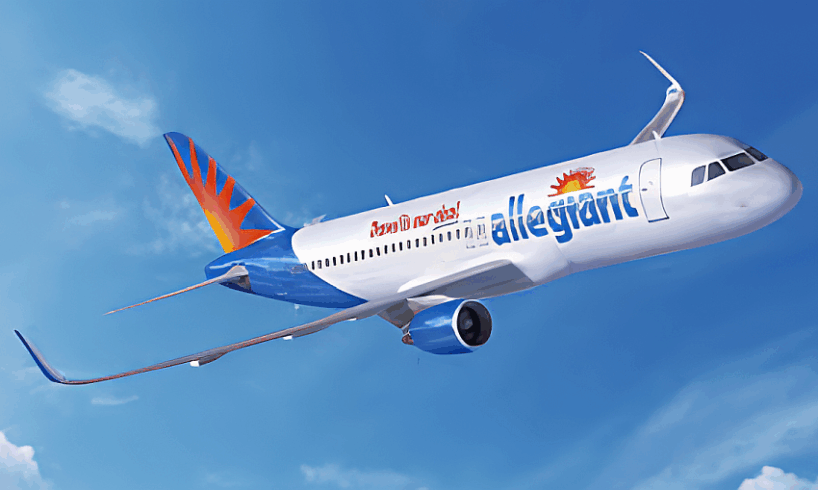
Allegiant Air's initiative to secure permanent residency for dozens of foreign pilots has been significantly stalled due to an objection from the airline's pilots' union. The union, Teamsters Local 2118, has refused to provide a crucial certification required for the pilots' green card applications, citing concerns over compensation and the current labor market. This decision leaves the immigration status of approximately 62 pilots from Chile, Australia, and Singapore in a state of uncertainty, while also impacting Allegiant Air's long-term staffing plans.
The core of the dispute lies in the union's rejection of Allegiant Air's claim of a pilot shortage severe enough to warrant the permanent hiring of foreign labor. Teamsters Local 2118 argues that the starting salary for Allegiant's first officers, around $50,000 annually, is substantially below the industry average. They contend that the airline should prioritize improving wages and scheduling to retain its existing U.S.-based pilots rather than relying on foreign recruitment for permanent positions.
Allegiant Air had initiated the process to sponsor these foreign aviators for employment-based immigrant visas, a pathway that ultimately leads to lawful permanent residence and potential U.S. citizenship. These pilots were initially recruited in 2023 amidst a post-pandemic hiring surge that created a significant demand for cockpit crew across the industry. The airline's plan aimed to convert these temporary visa hires into permanent employees, thereby stabilizing its workforce.
The union's refusal to sign the prevailing-wage letter, a mandatory step for Department of Labor PERM certification, has effectively blocked Allegiant's applications. This certification verifies that the offered wages meet federal standards. Without this certification, the foreign pilots cannot proceed with their applications for permanent residency, leaving their future in the U.S. uncertain and potentially disrupting Allegiant's operational plans, including network expansion that relies on sufficient pilot availability.
This situation highlights broader labor tensions within the aviation industry, which continues to grapple with pilot shortages and evolving workforce expectations. Companies seeking to employ foreign talent are reminded of the critical importance of ensuring competitive compensation that aligns with prevailing wage benchmarks and maintaining open communication with labor unions. For the foreign pilots involved, their immigration future remains in limbo as Allegiant Air reassesses its strategy to address staffing needs and potential labor disputes.