

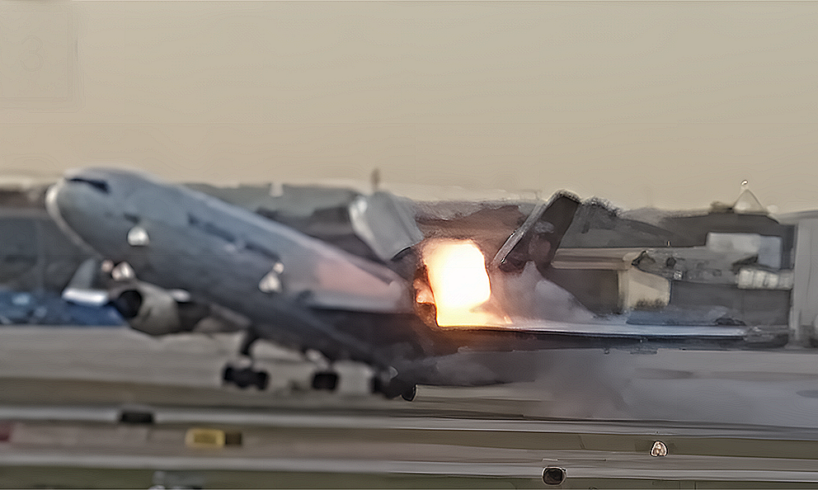
LOUISVILLE, KY – A recent update from the National Transportation Safety Board (NTSB) into the tragic November 4, 2025, crash of UPS Flight 2976 has pinpointed a critical failure in the aircraft’s engine mount as a likely cause. The Boeing MD-11F experienced a catastrophic separation of its left engine and pylon shortly after takeoff, leading to the loss of all three crew members and eleven individuals on the ground. The updated findings highlight evidence of significant fatigue cracking in a spherical bearing assembly within the left engine’s pylon.
Investigators determined that this bearing assembly fractured into two sections due to approximately 75% fatigue cracking. This type of failure is particularly concerning as it had been previously identified in a 2011 Boeing service letter concerning other MD-11 aircraft. The service letter had recommended inspections and potential replacement of these parts, but compliance was not mandated, raising questions about the effectiveness of prior warnings.
The NTSB’s ongoing analysis will delve deeper into the aircraft’s performance and handling characteristics immediately following the engine separation. Preliminary reports indicated that the engine and pylon detached from the wing shortly after the aircraft rotated for takeoff, followed by a fire near the wing attachment point. The aircraft reached an altitude of no more than approximately 30 feet above ground level before impacting a UPS warehouse beyond the runway’s end.
The crash resulted in the destruction of the MD-11F and extensive damage to the surrounding industrial area. In the aftermath of the accident, the Federal Aviation Administration (FAA) issued an emergency airworthiness directive that effectively grounded all U.S.-registered MD-11s pending corrective actions. This directive highlighted the severity of the situation and the potential risks associated with the aircraft type.
The investigation continues to examine all contributing factors, including the history of the specific component and any potential systemic issues within the MD-11 fleet. The NTSB’s comprehensive approach aims to provide a thorough understanding of the accident’s cause and to develop safety recommendations that will prevent similar tragedies in the future.