

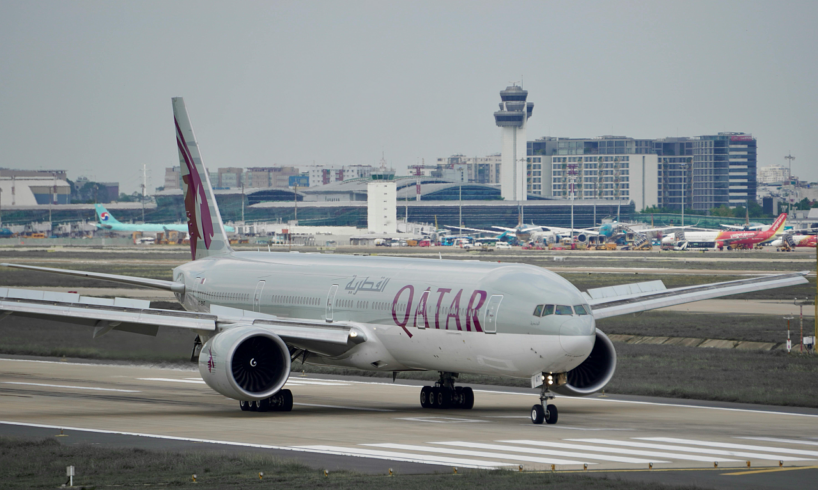
The ongoing conflict between Iran, Israel, and the United States has plunged the global aviation industry into severe disarray, leading to widespread airspace closures across the Middle East and a cascading effect of flight cancellations and disruptions. Major international hubs, including Dubai, Doha, and Abu Dhabi, have suspended normal operations, stranding hundreds of thousands of passengers and causing estimated losses to the aviation industry to exceed $1 billion.
The extensive airspace restrictions, encompassing Iran, Iraq, Israel, Qatar, Bahrain, Kuwait, and Syria, have grounded operations at some of the world's busiest airports. Dubai International Airport, a critical global transit hub, reported minor damage from an Iranian retaliatory drone strike, while other regional airports sustained varying degrees of damage and, in some cases, reported casualties. These incidents have created a domino effect, resulting in over 19,000 global flight delays and thousands of cancellations worldwide. Airlines such as Emirates and Qatar Airways have been among the hardest hit, canceling hundreds of flights each.
Adding to the complexity of the situation is the long-standing issue of Iran's aging aircraft fleet, exacerbated by international sanctions. The average age of Iran's civil aircraft fleet is approximately 28 years, more than double the global average, with an estimated 60% of its passenger aircraft grounded as of 2025. Sanctions have severely limited access to new aircraft and certified spare parts, forcing Iranian airlines to resort to measures like cannibalization and reverse engineering to maintain their aging planes. This internal challenge within Iran's aviation sector, though distinct from the current regional conflict, contributes to the overall fragility of air travel in the region.
The current crisis has forced airlines to reroute flights, adding significant operational costs. Rerouting long-haul flights around closed skies can add 2-3 hours per leg, increasing expenses by $6,000 to $10,000 hourly for wide-body jets. This increased fuel burn, coupled with crew overtime and maintenance, is severely impacting airline profit margins. Economists warn that prolonged tensions could lead to monthly costs in the hundreds of millions, affecting not only airlines and airports but also global supply chains.
While some airlines, like Emirates and Etihad Airways, have begun to resume limited operations, the situation remains highly volatile. The extensive suspension of air services has severely disrupted the complex network of global aircraft movements, and it is anticipated that it will take days to clear the backlog even once operations fully resume. The ongoing conflict and its impact on air travel underscore the delicate interconnectedness of global aviation and the profound consequences of regional instability.